
"malic acid"
400 article(s) found

Red Wine treatment of Raw Coffee beans-Honey treated Coffee beans
Red wine treatment of raw coffee beans-honey treatment of coffee beans acetic acid fermentation: cleaner, lively acid, brighter acid, citric acid lactic acid fermentation: taste more round, less cleanliness than acetic acid fermentation, higher alcohol thickness. Before malic acid / tartaric acid, the processing plant used manual operation handed down from generation to generation, such as biting to feel the fermentation of coffee beans.

Boutique coffee roasting knowledge of acid in roasted coffee
Formic acid is the most in shallow baking, and acetic acid is the most in shallow baking with the deepening of deep baking. with the deepening of deep baking, pyruvate and baking degree-independent lactic acid and baking degree-independent malic acid are the most in shallow baking, and citric acid is the most in shallow baking with the deepening of deep baking.

Basic knowledge of sour coffee in roasted coffee
There are mainly the following kinds of acids in roasted coffee: formic acid is the most in shallow roasting, and acetic acid decreases gradually with the deepening of deep roasting. With the deepening of deep baking, pyruvate and baking degree independent lactic acid and baking degree independent malic acid are the most, while citric acid decreases with the deepening of deep roasting.
General knowledge of Fine Coffee Acid in roasted coffee
There are mainly the following kinds of acids in roasted coffee: formic acid is the most in shallow roasting, and acetic acid decreases gradually with the deepening of deep roasting. With the deepening of deep baking, pyruvate and baking degree independent lactic acid and baking degree independent malic acid are the most, while citric acid decreases with the deepening of deep roasting.

There are mainly several kinds of acids in roasted coffee.
Formic acid is the most in shallow baking, and acetic acid is the most in shallow baking with the deepening of deep baking. with the deepening of deep baking, pyruvate and baking degree-independent lactic acid and baking degree-independent malic acid are the most in shallow baking, and citric acid is the most in shallow baking with the deepening of deep baking.

Coffee beans roasting common sense acid in roasted coffee
Formic acid is the most abundant in light roast coffee, decreasing gradually with the depth of roast. Acetic acid is the most abundant in light roast coffee, decreasing gradually with the depth of roast. Pyruvic acid is independent of roast degree. Lactic acid and malic acid are independent of roast degree. Citric acid is the most abundant in light roast coffee, decreasing gradually with the depth of roast coffee

What kind of role does acid play in coffee?
Professional coffee knowledge exchange more coffee bean information please follow the coffee workshop (Wechat official account cafe_style) acidity boutique coffee is one of the most cherished and controversial characteristics, loved and rewarded by consumers in the third wave of coffee. What is acidity? Why do you get this taste from coffee? Is it good or bad? How to add in the process of baking and cooking
Flavor description of Peruvian Coffee beans in Nuevo Progreso Manor in Peru
Professional coffee knowledge exchange more coffee bean information please follow the coffee workshop (Wechat official account cafe_style) Nuevo Progreso FINCA: new development, is installed on a farm of soil suitable for coffee production, with a unique microclimate, care of animal and plant biodiversity exists in a place called the Corralpampa Amaybamba sector (animal husbandry area) east elevation from 2000 to
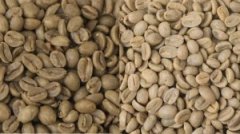
Behind the origin of the sour taste of coffee and the sour taste of coffee is a very complicated problem.
Raw coffee beans contain sour ingredients such as citric acid, malic acid, quinic acid and phosphoric acid, but these are not the main sources of sour taste when drinking coffee. The acid produced during baking is the main source of sour taste. Raw beans produce a series of chemical reactions during baking to form new acids. The most important thing is that chlorogenic acid is decomposed to form quinic acid and oligosaccharides.

Nicaragua Providence Manor Misael Sauceda honey treatment
Nicaragua's growing conditions are not inferior to those of Central America. Coffee is grown at high altitudes with shade. The taste is round and balanced. There is not a very sharp acid. The main factors are war and hurricane attacks. As a result, single farms cannot be operated continuously. There is no historical data for green bean traders to track down farm data. After 2003, the bad factors that caused coffee quality were removed.

Description of Coffee Bean Flavor with Nicaraguan Red Wine introduction to the region of Manor production
Nicaraguan coffee estate acetic acid fermentation: cleaner, lively acid, brighter acid, citric acid lactic acid fermentation: taste more round, less clean than acetic acid fermentation, higher alcohol thickness, malic acid / tartaric acid before, the treatment plant is passed down from generation to generation manual operation, such as biting to feel the degree of fermentation of coffee beans, and so on. This kind of fermentation
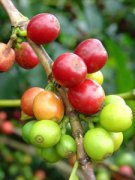
Boutique Coffee Manor in Nicaragua growing area
The planting conditions in Nicaragua are not inferior to those in Central American countries. Shaded coffee is grown at high altitudes. It tastes round and balanced with less sharp acid. The main unknown factor is war and hurricanes, which make a single farm unsustainable. There is no historical data for raw bean merchants to track and check farm data until after 2003, the bad factors of coffee quality are removed and backward intercourse.

Coffee beans Red Wine treatment-what are the lightly baked coffee beans
Red wine treatment of coffee beans-which light-roasted coffee beans selected coffee cherries are placed in specific containers by farmers (beans used by Australian baristas in Sasa competitions are placed in metal containers). But in any case, the container should have a device similar to a red wine fermentation suppository or a single exhaust valve. In this way, carbon dioxide can pass through this

Description of Coffee Flavor in Lazimus Manor, Colombia
Country of Origin: Colombia, Colombia: Tolima Tolima Variety: Caturra,Colombia,Bourbon altitude: 1950-2050Meters treatment: washed Washed Flavor description: plum, Chocolate, Milk, Grapefruit, Malic Acid Manor: saint Ario Manor Red Bourbon country of Origin: Colombia Colombia production area: Cauca Cauca Variety: r

Introduction to the taste of major coffee producing areas in Colombia
Manor: small Farmer batch Tolima 1983 country of Origin: Colombia Colombia producing area: Tolima Tolima Variety: Caturra,Colombia,Bourbon altitude: 1950-2050Meters treatment: washed Washed Flavor description: plum, chocolate, milk, grapefruit, malic acid its unique geographical environment has created the quality of coffee, Columbia, mountains and rivers

Introduction to the Flavor Test of Coffee Bean Cup treated with Honey in Sonora Manor, Costa Rica
Country: Costa Rica region: Alajuela planting altitude: 1700-1800 m treatment: honey cup test flavor: malic acid, Sydney, raisin Sonora Manor is a famous estate in Costa Rica, located in the beautiful Central Valley at the foot of the Poal volcano. Coffee grows on rich volcanic soil and forms a variety of alien species.

Papua New Guinea Coffee flavor Papua New Guinea Coffee Story
Professional Coffee knowledge Exchange more information on coffee beans Please follow the coffee workshop (Wechat official account cafe_style) Coffee in Papua New Guinea is a cup of coffee full of wild, just like the island itself. These coffees have a bright and subtle malic acidity, which distinguishes them from other Sumatran and Sulawesi varieties of Southeast Asian archipelago coffee. You

Red Wine treatment Coffee Bean treatment washing and Solar introduction of manors in producing areas
Introduction to the treatment of coffee red honey Sasa was described in the competition: the coffee fruit was put into a sealed metal container for anaerobic fermentation, and the variable factors such as PH value and the type and number of bacteria involved in the fermentation were controlled purposefully. The processor injects carbon dioxide into the container to prevent
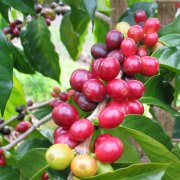
Boutique Coffee at the Manor of providence in Nicaragua
The planting conditions in Nicaragua are not inferior to those in Central American countries. Shaded coffee is grown at high altitudes. It tastes round and balanced with less sharp acid. The main unknown factor is war and hurricanes, which make a single farm unsustainable. There is no historical data for raw bean merchants to track and check farm data until after 2003, the bad factors of coffee quality are removed and backward intercourse.
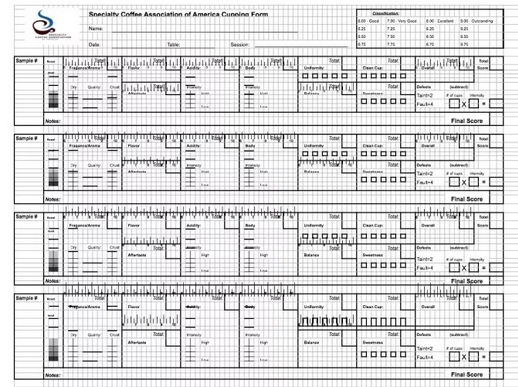
How to pass the Q-grader exam (3) there are 8 major items, a total of 20 subjects
SCA Cup Test form if you sign up for the Q grader test, you should already know how to use the SCA cup test form correctly. In order to practice this part of the test, it is recommended that you test a large number of cups of coffee from different places and different processing methods. You should understand the flavor of coffee in different regions and how these flavors are expressed in the cup test. Pay attention to find coffee you don't know.